Read about and understand the various psychological phenomena you observe in your day-to-day life. Get answers to common curiosities about everyday behavior. Understanding the root causes of your behaviors and those of others will greatly improve your understanding of human psychology. No human behavior, however small, is insignificant.
“What a terrible thing to have lost one’s mind. Or not to have a mind at all.” – Dan Quayle We’ve all experienced times when we felt like we were losing our minds. This is a crazy psychological phenomenon that makes you think that you’re going crazy. Of course, it’s unlikely that you’re actually going …
Learning by osmosis, learning by proxy, or passive learning involves absorbing knowledge and skills by being around people with such knowledge and skills. It involves putting yourself in environments where you can gain valuable information and expertise. Active or intentional learning, in contrast, involves actively seeking knowledge by exerting a lot of effort. For example, …
As a social species, humans expect other humans to support them, especially in difficult times. When two people go through the same traumatic experience, as difficult as times can get, they typically have no one but each to support them. When we’re supported and reciprocally support during a hardship, our distress gets reduced1Olff, M. (2012). …
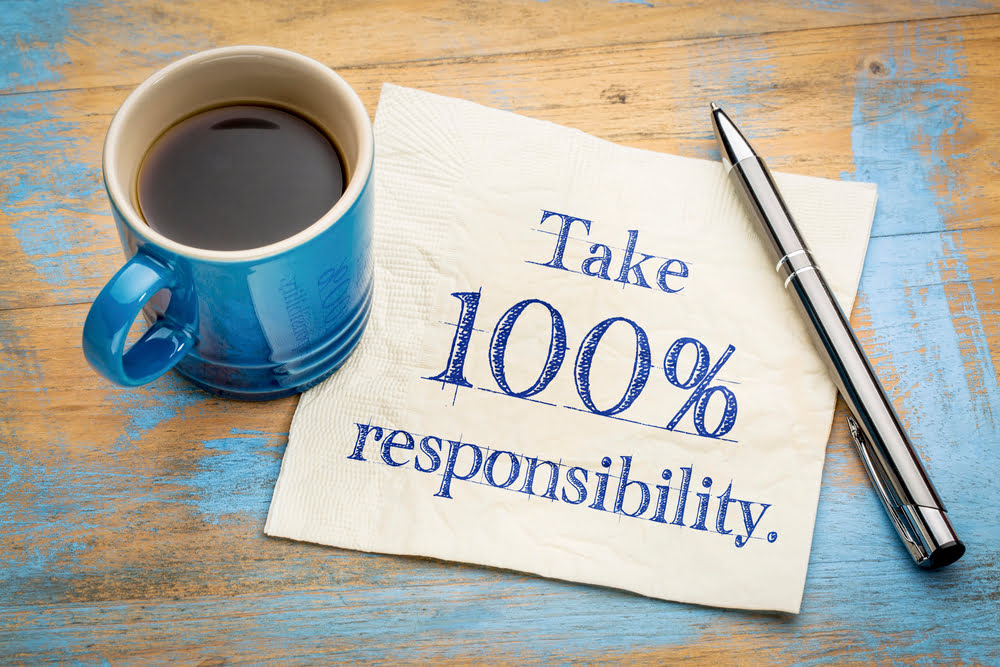
Consider the set of all the things that happen to you. A lot of them you have no control over. You didn’t choose to be born. Some you have full control over. You chose to read this article. And then there are others you have partial control over. You can be good to someone in …
When you experience a traumatic event, your mind perceives great danger and goes into survival mode. When your mind is in survival mode, your senses sharpen, and you enter into this super-learner mode, trying to understand your current situation as much as possible. The mind tries to learn as much as possible about a traumatic …
Name-calling or labeling is calling someone by degrading and demeaning names. The goal of name-calling is to hurt someone and make them look bad. It can occur in any relationship but is particularly damaging in a romantic relationship. A few incidences of name-calling here and there are forgivable, but if it happens repeatedly, it’s verbal …
In healthy romantic relationships, there’s a balance of closeness and distance. Each partner retains their own identity while also identifying with the relationship to some degree. This interdependence helps partners meet some of their needs themselves, and some are met by their partners. When there’s too much closeness in the relationship, the dynamic becomes unhealthy. …
When faced with a life-threatening situation, an organism generates the following trauma responses: In certain traumatic situations, fight and flight are not the appropriate responses. Neither is freeze. These are the situations where the organism will display a fawn response. The fawn response to trauma is when someone behaves submissively towards an aggressor, communicating: “I’m …
A trauma bond is an emotional bond that gets formed between an abuser and their victim. An abusive relationship will rarely be 100% abusive. Usually, there’s a mix of abuse and positive bonding in an overall abusive relationship. This keeps the victim stuck in the trauma bond, hoping to get the next fix of positive …
In a healthy and ideal relationship, when you tell someone they hurt you, they own their mistake and apologize. Or they communicate openly and honestly to clear misunderstandings and reach common ground. But why do some people get mad when you tell them they hurt you? There can be many reasons behind this behavior: Your …