
We all have goals and dreams. Many of these goals, like being in a good relationship, are genetically programmed into us. So for the most part, we don’t even get to choose our goals. They come with the genetic package we’re born with.
Broadly speaking, people have goals in three major life areas– career, health, and relationships. When we reach our goals in all three areas, we maximize our chances of survival, reproduction, joy, and happiness.
However, excelling in these areas of life is anything but easy. There are lots and lots of challenges and obstacles along the way.
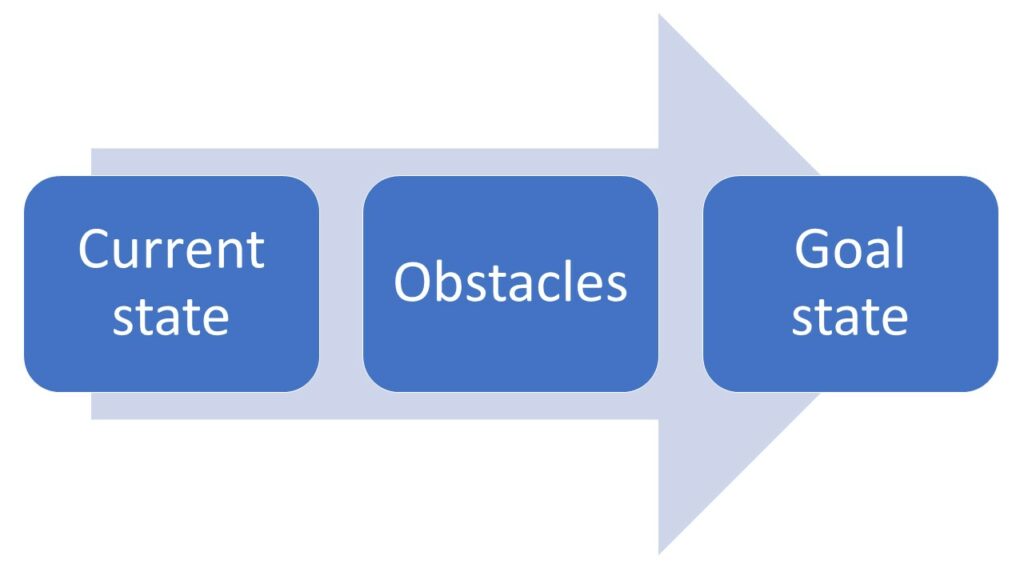
Facing a minor setback in trying to reach our goals doesn’t usually bother people much or make them hopeless. But when an obstacle or challenge becomes overbearing, people start to lose hope. That’s when they feel like giving up on life. They don’t think they can make it.
Why give up, though?
If a person can’t reach the goals they’re genetically programmed to reach, what’s the point of carrying on?
Our ancestral environments had scarce resources. If a family member couldn’t survive and reproduce, that family member was a drain on the family’s resources. Keeping that person alive was costly and came at the expense of the reproductive success of other family members.
Evolution had to figure out a mechanism by which the ‘loser’ of the family could give up hope and contemplate eliminating themselves. This is the psychology behind suicidal ideation.
While not everyone who gives up on life considers ending their life, they’re pretty close to it psychologically. They may have some hope left or be too afraid to end it all.
Events that trigger the feeling
Major setbacks in trying to achieve your career, health, and relational goals can make someone want to give up on life. Feeling like giving up on life equals hopelessness, a major symptom of depression. So, people who feel like giving up on life are likely to be depressed.
A major setback in one life area can affect other life areas. As they say, misfortunes never come singly.
For instance, if a person loses their job, they may also lose their relationship. If they lose their relationship, they may also stop caring for themselves and lose their health. Such a total catastrophe can quickly drive people to the point of giving up on life and contemplating ending it all.
Signs
Let’s now learn how to recognize the signs of giving up on life in someone:
1. They’ve failed to meet their expectations
As kids, we have huge expectations for our lives. By 20, I’ll do this. By 30, I’ll do that. We daydream of extreme success in every life area. The mind does this so we can be hopeful about the future, continue to survive, and be excited about life.
However, as people grow old, many realize that they’ve fallen behind on their dreams. Our current reality doesn’t match our prior expectations. This can be highly demotivating and force someone to give up on life.
2. They have no hope left
Often, the only thing that pushes us to work towards our goals is hope. When that hope is gone, the effort we put towards our goals goes with it. There’s no point in trying.
All worthy goals in life are long-term goals. When working on long-term goals, you have to count on hope because you don’t see any immediate progress.
3. They’ve stopped dreaming
One can get to a point where they see no point in dreaming about the future. It’s a silly thing that they did as kids. They ought to be more practical and realistic now. This thinking can be detrimental to progress.
4. They feel they can’t control life
If someone suffered a significant setback in life, especially one they had no control over, they’re likely to believe they can’t control their life. When one thinks they have no control over their life, they let life slip away from their hands.
They’re like:
“Screw it! I’m done trying to control life.”
5. They’ve lost excitement for life
With all the dreaming and hoping for a better future comes excitement. A person can’t wait to step into your glorious future where they’ve reached their goals. No excitement means having no goals to look forward to. People with goals have a spark in their eyes that those without goals who’ve given up on life are missing. The latter lack energy, enthusiasm, and a zest for life.
6. They don’t take care of themselves
Have you noticed how people take good care of themselves when they’re doing well? Doing well in one life area gives a person hope and energy to improve other areas. If one gets promoted, for instance, they may want to start hitting the gym. Things look positive.
Except when they don’t.
As soon as they hit a setback in one life area, other areas get affected too. They don’t feel like taking care of themselves anymore. There’s no hope. What’s the point?
It’s like when you eat one piece of cake and break your rule of avoiding junk food. You’re like:
“I’ve already messed up. What’s the point? Let’s eat the whole thing.”
7. They constantly compare and feel miserable
As social species, humans can’t help but compare themselves to others. When things are not good for them, they’re especially vulnerable to comparison-driven misery. They compare themselves to others who are doing better than they are and feel miserable.
8. They no longer laugh as much
Laughing and making others laugh is often a by-product of a good mood and happiness. If someone’s not in a good mood, it’s hard for them to laugh and make others laugh. When you’ve hit rock bottom in life, the last thing you want to do is crack jokes.
Although some people do use humor to cope, they’re rare.
9. They’re overwhelmed and burned out
When a person is mired in the obstacles on the path toward their dreams, it’s easy to get frustrated, overwhelmed, and burned out.
10. They carry past baggage
Past emotional baggage and unresolved traumas can seriously slow down progress. The only reason people want to resolve traumas is so they can move forward. If traumas didn’t impede our ability to reach our goals, no one would care about resolving them.
Traumas interfere with our relational goals the most. If you’re single, you’re yet to see the devastating effects that past baggage can have on a relationship.
11. They feel worthless
We reach our goals by helping others reach theirs. So, the more a person excels in life, the more likely it is that they’re helping others excel, too. When people contribute to society in significant ways, their self-esteem increases.
When they don’t, they feel worthless. This is why you come across people who seem to be living decent lives, but deep down, they’re unsatisfied. Because they feel they haven’t reached their potential or made a significant impact.
12. They’re socially withdrawn
Feeling worthless makes a person avoid putting themselves out there. They feel like people have no reason to like or value them.
13. They’re apathetic
When someone has lost everything, nothing matters. They become apathetic because they have nothing to lose. They have nothing to care for.
14. They’re negative about everything
They become negative about themselves, others, and the world. They blame external forces for the way their lives have turned out. If anyone tries to help them or give advice, they immediately shut them down with an “It won’t work”.