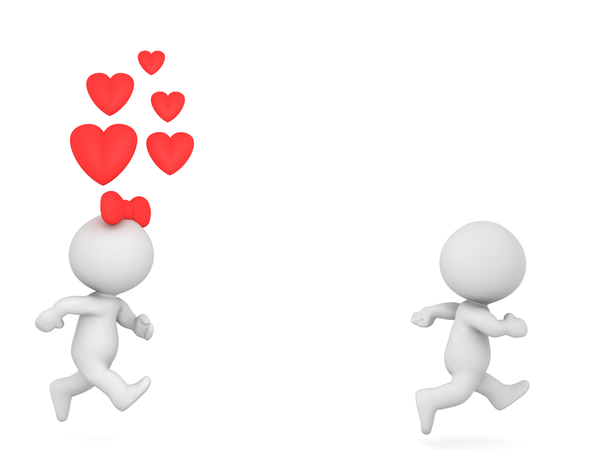
How to make an avoidant love you

making an avoidant love you

Avoidant attachment style is a type of insecure attachment where a person feels insecure in close relationships. An avoidant tries to create distance in their close relationships. Since relationships are all about bonding and closeness, this upsets and frustrates their partner. Avoidants, like all human beings, have a biological need for connection. But their childhood

Thought disorder test (15 Items)

man with thought disorder

Thought disorder, also called formal thought disorder or disorganized speech, is when a person’s thoughts become incoherent, illogical, and disorganized. This is reflected in how the person expresses themselves in speech and writing. Thought disorder is the main symptom of schizophrenia, dementia, and psychotic disorders. Of course, normal people also experience disorganized thoughts when they’re

‘Why don’t I feel like myself?’: 5 Reasons

woman not feeling like herself

I know exactly what it feels like to ‘not feel like yourself’. I’ve been in such situations so many times. You feel out of alignment. You feel something’s off. You can’t quite put a finger on what’s off. You say things like: “I don’t feel like myself lately.”“I don’t feel like myself anymore.” What’s going

Cyclothymia test: Understand your mood patterns

cyclothymia quiz

This test is based on the following validated scales, recommended by researchers to assess cyclothymia: Disclaimer: This quiz is for awareness only and does not diagnose or replace professional advice. If you suspect you may have Cyclothymia or your symptoms affect daily life, consult a qualified mental health professional. What is cyclothymia? The term ‘cyclothymia’

10 Signs your mother hates you

hateful mother

For many, it’s hard to imagine that a mother can hate her own child. This is because mothers typically invest more in their offspring than fathers. For this reason, a mother’s love is considered ‘divine’ and ‘pure’. However, there are exceptions to this norm. Some mothers do hate their children. Some mothers treat their children

4F Trauma personality types test: Fight, Flight, Freeze or Fawn?

trauma responses

Trauma and trauma response Trauma is typically caused by a survival and/or reproduction-threatening event that the mind sees as dangerous. While daily life problems cause mild levels of distress, a traumatic event typically significantly decreases our odds of survival and reproduction. Traumas are out-of-the-ordinary stressors that have low: Since our minds and bodies are built

Covert narcissist test

covert narcissism self-assessment

Narcissism is of two types: When we think of narcissists, we usually think of overt narcissists (ON). Overt narcissists openly display their narcissism. They’re usually extroverted, have high self-esteem, and are the loudest person in the room. They tend to be: Covert/vulnerable narcissists (CN) also desire to be superior to others, but they subtly accomplish

How to talk to someone who turns everything around

turning around

Before you learn how to talk to someone who turns things around, you must thoroughly understand the phenomenon of ‘turning things around’. There are a lot of things going on in this dynamic that need to be well understood. In this article, I’ll break down what happens when someone turns everything around on you and

Hands behind back body language

hands behind back woman

To interpret the ‘hands behind the back’ body language gesture, you should first look at its context. This is because it is one of those body language gestures that can have different meanings depending on the context and accompanying gestures. In this article, I’ll cover the possible meanings of this gesture, providing examples and accompanying

‘Why do I take things personally?’

taking things personally at work

We don’t take things personally. It just happens. I mean, we have little conscious control over it when it happens. Like many other thoughts and emotions, we can only deal with this psychological phenomenon post hoc. We can only manage it after it has happened. Why does it happen, though? We take things personally because